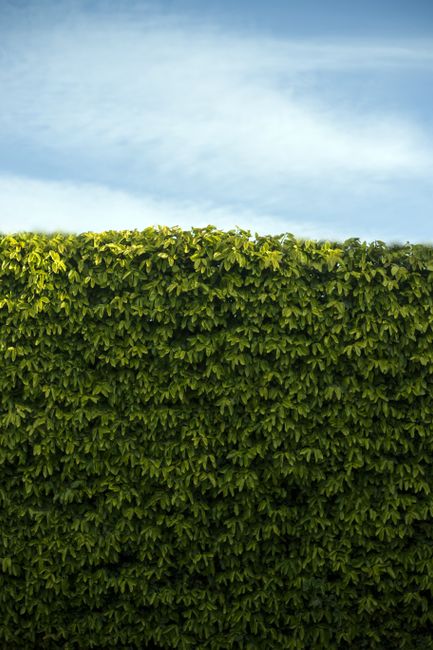
Maida Vale council rules for hedge heights and boundary plants: a practical guide for homeowners and landlords
If you have ever stood in the garden on a damp London morning, looking at a hedge that has crept a little too far over the path, you will know how quickly a boundary planting issue becomes a neighbour issue. The phrase Maida Vale council rules for hedge heights and boundary plants sounds straightforward, but in practice it sits at the crossroads of planning, neighbour relations, safety, and simple garden upkeep. This guide explains the moving parts in plain English, so you can understand what matters, what usually causes disputes, and how to keep your boundary looking tidy without making avoidable mistakes.
We will cover how hedge height issues are normally handled, what boundary plants mean in a local context, where the real risks lie, and how to approach pruning or replacement sensibly. You will also find a step-by-step process, a checklist, a comparison table, and a few practical examples that reflect the kind of situations people actually run into. No fluff. Just useful guidance you can act on.
Why Maida Vale council rules for hedge heights and boundary plants Matters
Boundary planting sounds harmless until it starts affecting light, access, visibility, or the feeling of space between properties. In Maida Vale, where homes often sit close together and gardens can be narrow or enclosed, hedge height and boundary planting decisions matter more than people expect. A hedge that looks fine from inside your garden can feel very different from next door if it shades a patio, leans over a boundary, or makes a small rear yard feel boxed in.
There is also the practical side. Overgrown hedges can block footpaths, make maintenance awkward, and create friction around shared fences or walls. Even when there is no formal dispute, a dense line of boundary shrubs can become a constant nuisance if it is not managed regularly. Truth be told, most problems do not start with one dramatic incident. They build slowly, usually after a few seasons of missed trimming.
Understanding the local expectations around hedge height helps you keep control of the situation. It also helps if you are planning new planting. A plant that looks lovely at planting stage may be a problem in three years if it is not chosen with mature spread and height in mind. That is the bit people sometimes forget.
Practical takeaway: think about boundary planting as a long-term structure, not just decoration. Height, spread, root growth, access, and light all matter just as much as appearance.
For homeowners, landlords, and managing agents, the real value is simple: fewer disputes, better maintenance planning, and a garden that feels intentional rather than constantly fighting back. If a boundary has already got out of hand, services such as hedge trimming and wider garden maintenance can make a very visible difference quickly.
How Maida Vale council rules for hedge heights and boundary plants works
In plain terms, hedge height and boundary plant issues are usually handled through a mix of property rights, neighbour relations, and local planning or nuisance considerations. The exact position depends on whether the planting sits entirely on your land, straddles the boundary, forms part of a shared boundary feature, or affects a public space such as a pavement or road edge.
A key point: there is no one-size-fits-all answer for every hedge in every street. That is why people can get confused. A hedge on a front boundary, for example, can raise visibility and access concerns, while a tall back-garden hedge may be more about light and enjoyment of the garden. Boundary plants can include evergreen hedges, mixed shrubs, climbers on fences, bamboo, espalier trees, and even tightly planted screens that behave like a hedge over time.
In practice, the process usually works like this:
- Identify the boundary - check where the planting sits in relation to fences, walls, paths, and deeds.
- Assess the impact - does it block light, encroach onto a path, create safety issues, or reduce access?
- Distinguish between maintenance and alteration - light trimming is different from removing major growth or replacing a boundary line of planting.
- Consider the neighbour angle - even where you are within your rights, a calm conversation prevents a lot of unnecessary heat.
- Choose the right remedy - pruning, reshaping, height reduction, root control, replacement planting, or, in some cases, specialist advice.
If you are dealing with mature growth rather than a quick tidy-up, the work often overlaps with other garden tasks too. For example, if a hedge has become woody and tangled, you may need more than a pair of shears. That is where a professional visit can help, especially if the same garden also needs tree lopping and removal or a broader tidy-up after years of growth.
One thing to remember: councils tend to focus on clear issues that affect amenity, safety, or public access. They are not there to police every neatly maintained shrub. Nor should they be. Most successful outcomes come from good boundary planning rather than formal complaints. A little boring, perhaps. But very effective.
Key Benefits and Practical Advantages
Keeping hedge heights and boundary plants under control is not just about avoiding a disagreement. There are several very real advantages, some obvious and some less so.
- Better neighbour relations - A well-kept boundary looks deliberate, cared for, and less likely to trigger complaints.
- More light and openness - Even a modest reduction in hedge bulk can brighten a patio, kitchen window, or small courtyard.
- Safer access - Paths, gates, and side returns become easier to use when planting is trimmed back properly.
- Healthier plants - Regular trimming helps many hedges stay dense and balanced rather than becoming thin at the base.
- Cleaner property edges - You reduce leaf build-up, moss, rubbing against masonry, and hidden gaps where rubbish collects.
- Less future work - Preventive maintenance is easier than wrestling a hedge back from the brink every two years.
There is also a value point that is often overlooked. Well-managed boundaries can improve the overall feel of a property when people view it from the street or garden. That does not mean you must turn your front hedge into a showroom display. It just means neat edges, sensible height, and healthy growth make a noticeable difference. You can feel it the moment you step outside.
For larger gardens or mixed planting schemes, an integrated approach often works best. Hedge work, lawn care, and planting design should be considered together. If the rest of the garden is already in need of attention, a combined visit that includes lawn mowing or landscape gardening can save time and create a more coherent result.
Who This Is For and When It Makes Sense
This topic matters for a surprisingly wide group of people. It is not only for homeowners with a hedge that is getting a bit ambitious. It is also relevant if you manage rented property, own a flat with access to a communal garden edge, or are responsible for a boundary that sits close to foot traffic.
Homeowners
If you own the property, you will usually be the person responsible for keeping boundary planting tidy on your side. That includes pruning overhang, managing height, and choosing replacement plants if the current ones are no longer suitable. If you have moved into a property and inherited a mature hedge, it is worth checking whether it needs a reset plan rather than just a quick trim.
Landlords and managing agents
For rental property, boundary planting is one of those small details that can become a bigger issue if left untouched. Tenants may not know who is responsible, or they may assume maintenance is being handled elsewhere. A clear schedule helps. So does using a reliable contractor who understands seasonality and boundary risks.
Shared boundary neighbours
Sometimes both sides have a say, sometimes they do not, and sometimes everyone thinks they do. That is where confusion often starts. If the hedge forms part of a shared arrangement or sits very close to the line, communication becomes essential. Being polite early is far easier than being defensive later.
People planning new planting
This is the group that can save the most trouble. If you are redesigning a garden, the best time to think about boundary height is before planting, not after the plants have settled and started to dominate the space. Choosing species with a predictable mature height is a very ordinary step, but a very smart one.
And yes, people sometimes plant a fast-growing evergreen because it looks nice in the nursery. Two years later it is throwing shade over everything. Classic.
Step-by-Step Guidance
If you are dealing with a hedge or boundary planting issue now, the safest way forward is to work through it methodically. Here is a practical sequence that keeps things calm and reduces the chance of rework.
- Check where the boundary actually lies
Look at the fence line, wall, deed plans if available, and the way the planting is rooted. A plant can appear to sit on one side while its base or branches tell a different story. - Measure the problem, not just the look of it
Is the issue height, spread, overhang, root intrusion, or all four? A hedge may be tall but not a problem if it is set back. Another may be lower but still intrusive because it spreads across a narrow side passage. - Note what the hedge is affecting
Light, access, visibility, privacy, bins, pathways, drains, or nearby structures. The impact matters more than the plant type alone. - Talk to the neighbour if the hedge is shared or affects their enjoyment
A short, friendly conversation often solves things before they become formal. Keep it factual and avoid blame. - Decide whether the work is light maintenance or a structural cutback
Annual trimming is one thing. Reducing an established hedge height is another. If the plant is mature, a staged approach may be safer for the plant and better looking overall. - Choose the right season
Many hedges tolerate trimming better at certain times of year. Weather, nesting activity, flowering, and plant species all affect timing. If unsure, get advice before cutting hard. - Use the right tools and protection
Sharp, clean tools help the cut and reduce plant stress. Gloves, eye protection, and stable access equipment are not optional when work is near height or heavy growth. - Dispose of clippings properly
Boundary work creates more waste than people expect. Bagging, chipping, and recycling green waste neatly keeps the garden usable and avoids a messy aftermath. - Review the result after a week or two
A hedge often looks slightly different once the cut edges settle and the light changes. Make sure the shape, line, and height still work for the space.
If the boundary is badly overgrown or the garden has accumulated a lot of waste, a combined tidy-up with garden clearance can be the sensible first step before any fine trimming or replanting.
Expert Tips for Better Results
A few practical habits make a big difference here, and they are not especially glamorous. Still, they work.
- Trim little and often rather than waiting for a dramatic annual overhaul. Smaller cuts usually give a cleaner result and keep hedges denser.
- Keep the top slightly narrower than the base for many hedge types. That helps light reach lower growth and prevents the hedge from becoming bare-legged.
- Watch for hidden obstructions such as cables, bird boxes, lighting, drain covers, or irrigation lines before starting work.
- Plan for mature size when choosing new boundary plants. Read the plant label carefully and think beyond the first summer.
- Use a stepping-back habit while trimming. Step away every few minutes and look at the hedge from across the garden. Up close can be misleading.
- Let climbers behave like climbers and hedges behave like hedges. Mixing the two without a plan can create a tangled border that nobody enjoys maintaining.
- Bring in a professional for tall or awkward boundaries where ladders, neighbouring structures, or access constraints make the job more complicated than it first appears.
To be fair, most hedge work looks simple until you are halfway through it and the bin bags are piling up. Then the logic of a good plan becomes obvious very quickly.
For clients who want a neat, dependable maintenance rhythm, a combination of hedge trimming and scheduled garden maintenance is usually more efficient than occasional one-off rescue work. It is calmer, too.
Common Mistakes to Avoid
Boundary planting issues often get worse because of a few predictable mistakes. Nothing dramatic. Just small misjudgements that stack up.
- Assuming the tallest hedge is always the problem - sometimes the issue is spread, overhang, or root movement, not height alone.
- Cutting too hard in one go - a severe reduction can stress plants, leave gaps, or make the hedge look patchy for ages.
- Ignoring the base - if the bottom becomes thin, the hedge may never recover its shape properly.
- Using blunt tools - ragged cuts invite poor regrowth and make the work look untidy.
- Leaving clippings in corners - they trap moisture, look messy, and can start to smell on warm days. Not ideal.
- Not checking ownership or responsibility - a surprisingly common issue when boundaries run along walls, alleyways, or old fences.
- Planting fast growers too close together - it may look full at first, then become a maintenance headache.
One of the biggest mistakes is treating the boundary as an afterthought. It is not. It is part of the garden's structure, and in a place like Maida Vale, structure matters because spaces are often compact and visually connected. A good boundary can quietly hold the whole garden together.
Tools, Resources and Recommendations
You do not need a shed full of specialist kit to manage hedge heights well, but the basics matter.
| Tool or resource | What it helps with | Why it matters |
|---|---|---|
| Hand shears | Fine shaping and light trimming | Good for detailed finishing work and tidying edges |
| Hedge trimmer | Regular hedge maintenance | Saves time on larger runs of planting |
| Pruning saw | Thicker, woody stems | Useful where older growth has become stubborn |
| Gloves and eye protection | Personal safety | Basic but essential on every job |
| Stepladder or secure platform | Access to higher sections | Safer than overreaching from unstable positions |
| Green waste bags or chipping plan | Clean-up and disposal | Keeps the garden usable after work |
| Professional garden service | Complex or tall boundaries | Useful where the hedge is large, old, or difficult to access |
If you are comparing broader help options, it can be useful to look at a company's overall approach, not just a single service page. The services overview gives a helpful sense of what may be combined in one visit, and the pricing and quotes page is a sensible next stop if you are budgeting for regular work or a one-off boundary reset.
Also worth checking: whether the provider has clear policies on safety, insurance, and waste handling. It sounds dry, but it matters when someone is working near walls, neighbouring property, or elevated planting.
Law, Compliance, Standards, or Best Practice
Boundary planting sits in an area where several standards can apply without one single rule solving everything. That is why careful wording matters here. In many cases, the relevant issues are property boundaries, nuisance, overhanging vegetation, visibility near access points, and the general duty to avoid unreasonable interference with neighbouring properties.
For practical purposes, best practice usually means:
- keeping height and spread appropriate to the site
- not allowing growth to block access or visibility
- maintaining plants so they do not damage fences, walls, or paths
- resolving neighbour concerns early and calmly
- checking whether the hedge or tree is protected or otherwise constrained before major work
If a hedge is close to a boundary wall or shared fence, it is wise to avoid assumptions about ownership. The same goes for mature plants planted by previous owners. A neat hedge can hide all sorts of history. Sometimes more than you would like.
Health and safety also matters whenever cutting involves ladders, long reach tools, or large volumes of waste. A company that takes health and safety policy and insurance and safety seriously is usually worth speaking to, especially for tall or awkward boundary work. If you care about what happens to the cuttings afterwards, their recycling and sustainability approach may also be relevant.
Finally, if you are commissioning work, it is reasonable to expect clear terms, transparent payment arrangements, and a simple complaints process if something does not go to plan. Those may sound like admin details, but they are part of trust. Quietly important, that.
Options, Methods, or Comparison Table
Different boundary situations call for different methods. Here is a practical comparison to help you decide what sort of intervention makes sense.
| Method | Best for | Pros | Watch-outs |
|---|---|---|---|
| Light trimming | Established hedge needing a neat finish | Quick, low disruption, keeps shape | Won't solve major height or spread issues |
| Height reduction | Hedges that have outgrown the space | Improves light and access | Needs care to avoid shock and uneven regrowth |
| Selective reshaping | Mixed boundary planting with uneven growth | More natural look, better balance | Takes judgement and a steady hand |
| Replacement planting | Old, unsuitable, or over-dominant boundary plants | Long-term fix | Needs time, planning, and patience |
| Professional full-service maintenance | Large, tall, or awkward boundaries | Efficient, safer, more consistent | Higher upfront cost than DIY |
If your garden has multiple issues at once, for example overgrown shrubs, heavy debris, and a hedge that has gone past its best, it may be better to combine boundary work with broader garden clearance or even small-scale landscaping. That approach can be far less frustrating than tackling the same mess in three separate visits.
Case Study or Real-World Example
Here is a realistic scenario. A Maida Vale homeowner notices that a mixed evergreen boundary along the rear garden has become noticeably taller over two seasons. From inside their garden, it still looks attractive enough. From next door, though, it now shades a seating area and narrows the feel of the shared outlook. There is no argument yet, just a polite message asking whether the hedge can be reduced.
The first sensible step is not to grab a trimmer and start guessing. Instead, the owner checks the boundary line, looks at how much of the issue is height versus width, and walks the neighbour through the plan. A staged trim is agreed. Rather than cutting hard across the whole hedge at once, the work is done in sections so the hedge keeps shape and the plant stress stays manageable.
The result is not dramatic in a theatrical sense. It is better than that. Light returns to the neighbour's side of the garden, the hedge looks tidier from the rear windows, and the owner no longer dreads walking down the side return with bags of clippings underfoot. The whole space feels calmer. Which, honestly, is what most people want from a boundary.
That kind of outcome is common when the work is planned properly and the timing is sensible. If the hedge had been left for another year or two, the same job could have become much more expensive and far less tidy.
Practical Checklist
Use this before you start cutting, replacing, or asking for help.
- Have I confirmed where the boundary sits?
- Do I know whether the issue is height, spread, overhang, or root growth?
- Have I checked whether the hedge affects light, access, or safety?
- Have I spoken to the neighbour if their enjoyment is affected?
- Do I know the best season for this plant type?
- Are my tools sharp, safe, and suitable for the job?
- Do I need a ladder, platform, or professional support?
- Have I planned for green waste removal?
- Will the work leave the hedge healthy, not just shorter?
- Should I combine this with general garden upkeep?
If you can tick most of those off, you are already ahead of the game.
Conclusion
Maida Vale boundary planting issues are rarely about one magic rule or one exact height number. They are about balance: between privacy and openness, tidiness and growth, neighbour comfort and your own garden design. Once you understand how hedge height, spread, access, and maintenance fit together, the whole subject becomes far less intimidating.
The best results usually come from steady upkeep, good communication, and choosing plants that suit the space from the start. If you already have an overgrown boundary, do not beat yourself up about it. Gardens drift. Life gets busy. The important thing is to deal with it in a calm, structured way now rather than letting it become a bigger headache later.
If you are ready to sort out a hedge, boundary screen, or mixed planting line, professional help can save time and avoid avoidable mistakes. A tidy boundary has a way of making the whole garden breathe again.
Get a free quote today and see how much you can save.
And if all you do after reading this is step outside and look at your boundary with fresh eyes, that is already a useful start.
Frequently Asked Questions
What are Maida Vale council rules for hedge heights and boundary plants actually about?
They are mainly about how boundary vegetation affects neighbours, access, visibility, and the overall use of outdoor space. In practice, the issue is usually less about a single fixed number and more about impact, ownership, and maintenance.
Do all hedges have a legal height limit?
Not in a simple universal sense. Different situations can be treated differently depending on location, ownership, and the effect on neighbouring properties. That is why it is safer to look at the full context rather than assuming one limit fits every garden.
What counts as a boundary plant?
Anything planted along or near a dividing line can count, including hedges, shrubs, climbers, bamboo, and some small trees if they are being used as a screen. If it functions like a boundary, people will usually treat it like one.
Can I trim my neighbour's hedge if it hangs over my side?
In many situations, overhanging growth can be cut back to the boundary line, but only the part that crosses onto your side and only with care. It is best to check the ownership and keep the cut neat, because overcutting can lead to a dispute very quickly.
What if a hedge blocks light into my garden?
That is often where neighbour discussions start. The best first step is usually a calm conversation followed by a measured trim or height reduction plan. If the issue is serious or ongoing, further advice may be needed.
How often should boundary hedges be trimmed in Maida Vale?
It depends on the species and the rate of growth, but many hedges benefit from regular trimming rather than occasional drastic cuts. In a busy London garden, that usually means planning ahead instead of waiting until the hedge feels wild.
Are fast-growing plants a bad idea for boundaries?
Not always, but they do need discipline. Fast growers can be useful if you want screening quickly, yet they can become hard to manage if the mature height and spread were not considered from the start. To be fair, they are often chosen for the wrong reasons.
What should I do before cutting a large boundary hedge?
Confirm the boundary line, check for safety risks, consider the season, and decide whether the hedge needs light shaping or a more substantial reduction. If the hedge is tall, awkward, or close to walls, professional help is often the sensible option.
Do councils care about garden hedges at the back of a private property?
They usually care most when there is an obvious public impact, a safety issue, or a nuisance affecting others. A well-kept private hedge is less likely to be a concern than one that creates access or visibility problems.
How do I stop a hedge from getting too tall again?
Set a routine trim schedule, choose the right shape, and avoid letting the hedge run away for several seasons. A small amount of regular maintenance is much easier than a rescue job every few years.
Should boundary work be part of general garden maintenance?
Yes, often it should. Hedges, lawns, borders, and hard edges tend to look best when they are managed together. That is why many people combine boundary work with broader garden services rather than treating each task in isolation.
What if I need help with an overgrown hedge and the rest of the garden is a mess too?
That is a very normal situation. A mix of hedge work, clearance, and ongoing upkeep is usually the most efficient way to reset the space. Starting with the worst area first often makes everything else feel more manageable.
Is it worth getting a professional for hedge height issues?
If the hedge is tall, stubborn, or important to the look of the garden, yes, it often is. A professional can help reduce the risk of uneven cuts, damage, or a result that looks harsh for months. Sometimes paying for experience saves money in the long run.