Recycling and Sustainability for Garden Maintenance Maida Vale
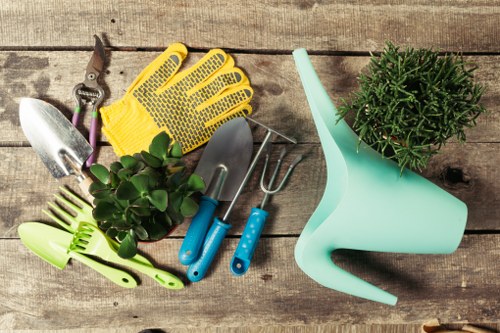
Garden Maintenance Maida Vale is committed to creating an eco-friendly waste disposal area and a resilient, sustainable rubbish gardening area across Maida Vale and surrounding neighbourhoods. Our approach balances practical garden upkeep with measurable environmental outcomes so that every hedge cut, lawn mow and border tidy contributes to circular reuse. We prioritise on-site reuse, composting and careful segregation so that green waste is a resource, not a problem.
 Our headline ambition is simple: achieve a 75% recycling and reuse rate for garden and related site waste within three years and continually improve beyond that. That recycling percentage target covers green waste, wood, soil that can be screened and reused, clean rubble from paving projects and recyclable packaging from supplies. We track this target monthly and report progress internally, aiming to reduce residual waste sent to landfill or incineration. Measuring performance allows us to align the Maida Vale garden maintenance service with broader borough sustainability plans.
How we work with local transfer stations and borough schemes
We gently integrate with the boroughs' approaches to waste separation: Westminster and nearby boroughs operate clear systems for dry recyclables, food waste, glass and garden waste collections. Our teams sort waste at source and make use of established local transfer stations and civic amenity points, including West London transfer facilities and borough transfer stations serving North and Central London. By delivering segregated materials directly to these transfer hubs we ensure green waste is routed to accredited composting and soil-conditioning plants rather than mixed with residual waste.
Partnerships with charities and community organisations
We actively partner with local charities and social enterprises to give materials a second life. Partnerships include community allotments, food redistribution groups and environmental charities such as The Conservation Volunteers and other local reuse initiatives. These partnerships help move unwanted plants, pots, tools and surplus topsoil into community-led projects rather than disposal. Our work includes:
- Plant and tool donations to community gardens and allotments.
- Compost and mulch sharing with neighbourhood green spaces and charity food growers.
- Material reuse programs for reclaimed paving and timber handled by reuse charities.
Creating an eco-friendly waste disposal area on site means practical organisation: clearly labelled bins and sacks for green waste, a separate container for clean timber, a receptacle for soil and rubble to be screened, and a lockable area for tools and reusable items. Our teams use colour-coded segregation so that operatives working on Maida Vale gardens can sort materials fast and correctly.
To keep transport emissions low we operate a mixed fleet of low-carbon vans and delivery vehicles: battery-electric vans for local rounds, plug-in hybrid vans for longer distances and best-in-class Euro 6 vehicles where alternatives aren’t yet suitable. Our fleet strategy includes a commitment to move to 100% low-carbon vans for urban rounds by 2029, and an interim goal of a 50% fleet emissions reduction by 2026 through electrification and route optimisation.
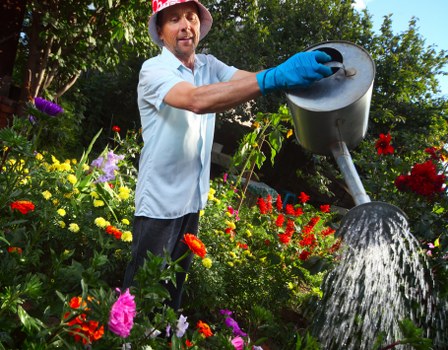 Sustainable rubbish gardening area practices include letting green waste become compost on-site where appropriate, using a network of licensed composting partners for larger volumes, and employing soil screening to recover and re-use topsoil. These practices reduce vehicle movements, cut embodied carbon from new materials and keep nutrient cycles local — all essential for a sustainable Maida Vale garden maintenance service.
Operational standards and recycling activities
On every job our teams follow a waste hierarchy: reduce, reuse, recycle, recover. Practical steps include segregating turf and vegetation for composting, separating clean wood for chipping into mulch, consolidating inert materials for reuse in paths, and flattening and collecting packaging for municipal recycling. We comply with borough guidance on waste separation and take advantage of garden waste subscription schemes where available. All materials transported comply with environmental permitting and transfer documentation.
How we support local circular economy projects
We work with community groups to ensure materials stay within the local circular economy. Soil and compost are shared with community orchards and allotments, chipped wood becomes mulch for planted beds, and reusable planters and pots are offered to local groups. Through training sessions and site briefings we encourage staff and clients to treat garden waste as a resource — an approach that reduces disposal costs and delivers environmental benefits.
Reporting and transparent monitoring are part of our commitment. We publish aggregate recycling data internally and share progress with partners. Our target of a 75% recycling rate is supported by routine audits, partnerships with accredited transfer stations, and investments in low-carbon transport and on-site processing to deliver measurable reductions in carbon and waste.
Summary: our sustainable garden services in Maida Vale focus on practical, measurable action: on-site segregation, partnerships with transfer stations and charities, and a low-carbon van fleet to deliver an eco-friendly waste disposal area and a resilient sustainable rubbish gardening area. Together these measures help turn garden maintenance in Maida Vale into a force for local circularity and lower emissions.