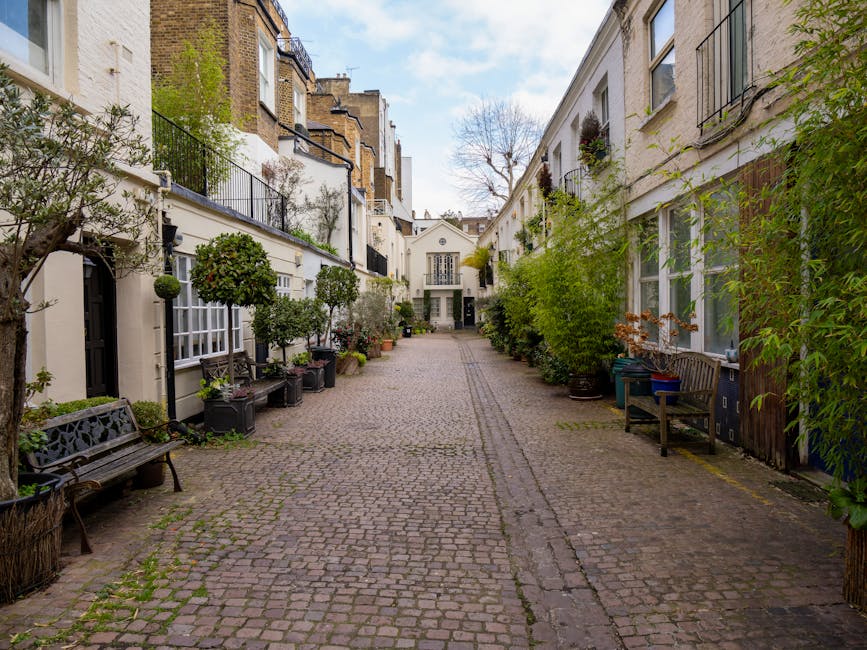
Maida Vale gardeners trusted for W9 terraces and courtyards

If you live in W9, you already know the garden is rarely a big rolling lawn. More often it is a terrace, a paved courtyard, a tucked-away side return, or a small outdoor room that has to work hard in all seasons. That is exactly why Maida Vale gardeners trusted for W9 terraces and courtyards are such a valuable find. The right team will understand shade, privacy, drainage, containers, access, and the kind of neat, composed finish that suits London homes. Not every garden needs a dramatic makeover. Sometimes it just needs careful, consistent attention, and a bit of judgement.
In this guide, you will find a practical breakdown of what trusted local gardeners actually do, how the service works, what to expect, and how to judge quality before you commit. There is also a checklist, a comparison table, and a few real-world examples to help you make a calm decision rather than a rushed one. Let's face it, a courtyard can go from elegant to messy pretty quickly.
Why Maida Vale gardeners trusted for W9 terraces and courtyards Matters
Maida Vale has a very particular rhythm to it. Many properties sit behind elegant facades, with outdoor spaces that are compact, enclosed, and visible from neighbouring windows. That changes everything. A terrace in W9 is not just a patch of greenery; it is part of the home's feel, a place where the first cup of tea in the morning and the last bit of evening light both matter. When it is looked after properly, it lifts the whole property. When it is neglected, even a small courtyard can start to feel tired, cramped, and oddly noisy, especially if hard surfaces are left dirty or planting becomes overgrown.
Trusted local gardeners are important because these spaces need more than routine cutting and tidying. They need a practical understanding of how urban gardens behave. Shadier corners hold moisture longer. Narrow access affects how materials move in and out. Pots dry out faster than many people expect in summer, but can stay waterlogged in winter. And if you are balancing privacy with light, it is easy to get the planting wrong. Too dense, and the garden feels boxed in. Too sparse, and you lose the calm, sheltered atmosphere that makes terraces and courtyards so appealing in the first place.
There is also the trust factor. A gardener entering a residential W9 property may need to work around communal entrances, neighbours, shared paths, and careful storage of tools. That calls for tidiness, punctuality, clear communication, and respect for the space. In our experience, the best garden teams are the ones who notice the little things: a loose stepping stone, a blocked drain channel, a climber rubbing against a wall, or a hedge that looks fine at the front but is quietly stealing all the light at the back. Small observations, big difference.
If your outdoor space has become a bit much to manage alone, the broader services overview is a sensible place to understand how different garden care options fit together. For longer-term upkeep, regular garden maintenance is often the simplest way to keep things under control without waiting for a yearly scramble.
Key takeaway: In W9, good gardening is not just about plants. It is about proportion, privacy, access, presentation, and regular care that suits a real London home rather than a show garden fantasy.
How Maida Vale gardeners trusted for W9 terraces and courtyards Works
The process usually begins with a look at the space as it actually functions, not just how it looks in a photo. A good gardener will ask how you use the terrace or courtyard. Do you eat outside? Need space for bikes, bins, or a barbecue? Want it to feel lush and planted, or crisp and architectural? Those answers shape the work far more than a generic "make it nice" brief. Slightly annoying, perhaps, but useful.
From there, the garden is usually assessed in a few simple parts:
- Condition: Is the space tidy, overgrown, or suffering from neglected surfaces and containers?
- Structure: Are there beds, raised planters, decking, paving, fences, walls, or screening features?
- Planting health: Are plants thriving, too crowded, drying out, or struggling with shade?
- Access: Can tools and waste be removed cleanly and safely?
- Seasonal needs: Does the space need spring recovery, summer feeding, autumn cutback, or winter protection?
Once the priorities are clear, the work is usually split into practical tasks. For courtyards this may mean clearing leaves from drainage points, removing weeds from joints, refreshing containers, trimming climbers, and resetting the planting balance. For terraces, it may involve mowing if there is a lawn strip, or more often keeping planters, borders, and edge planting neat with the right pruning and watering schedule. If the space needs a deeper reset, garden clearance can help remove accumulated waste, dead growth, and general clutter before maintenance begins.
Where a terrace includes timber elements, seating, or decorative platforms, a service like decking services may be relevant too. And if the space has larger shrubs or structural greenery, regular hedge trimming can stop the garden becoming top-heavy and shaded out.
The best teams keep it calm and orderly. No drama. No overcomplication. Just a plan, the right tools, and a clean finish.
Key Benefits and Practical Advantages
People often think the benefit of hiring a gardener is simply "less work for me." True, but that undersells it. For terraces and courtyards, the real benefit is control. You gain control over moisture, shape, scent, colour, usability, and how the space feels when you open the door.
- Better presentation: A clean, edged, and well-kept courtyard makes the whole home feel more cared for.
- Healthier planting: Plants in London courtyards often need tailored pruning, feeding, and spacing to do well.
- Less waste and mess: Regular upkeep prevents leaves, moss, and debris from building up.
- Improved privacy: Carefully managed screening can create a more comfortable outdoor room.
- Safer surfaces: Wet leaves and algae on paving can become slippery, especially in shaded corners.
- More usable space: Small spaces feel bigger when they are organised properly.
- Lower long-term stress: Routine visits are usually easier than big rescue jobs later on.
There is also a visual trick that good gardeners use all the time: they make a small space feel balanced. That might mean varying pot heights, creating a planting rhythm, or keeping hard edges crisp so the eye rests calmly. You may not consciously notice it, but you will feel it. The space just works.
For many homes, combining routine visits with occasional specialist work is the smartest approach. You might use lawn mowing where a small lawn exists, or bring in landscaping if the structure of the outdoor space needs reshaping. If you are planning a more creative refresh, landscape gardening can help bridge the gap between maintenance and design.
| Approach | Best for | Typical outcome | Watch-outs |
|---|---|---|---|
| Routine maintenance | Established terraces and courtyards | Consistent neatness and healthy growth | Needs regular scheduling |
| One-off tidy-up | Overgrown or neglected spaces | Fast visual improvement | Problems return if not followed by upkeep |
| Full redesign | Spaces that feel awkward or underused | New layout and improved flow | More time, planning, and budget required |
| Mixed approach | Most W9 terraces and courtyards | Practical, flexible, good-looking results | Needs clear priorities from the start |
Who This Is For and When It Makes Sense
This kind of service suits a surprisingly wide group of people. You do not need to own a grand garden, and you certainly do not need to be a plant expert. In fact, many of the most suitable clients are people who care about the look and feel of their outdoor space, but simply do not have the time or confidence to manage it properly.
It makes particular sense if you are:
- a homeowner with a terrace or courtyard that needs regular attention;
- a landlord wanting a presentable outdoor area for tenants;
- a busy professional who wants the garden to feel ready whenever they step outside;
- someone recovering a neglected space after a long winter, a move, or a period of missed upkeep;
- someone planning a sale or letting and wanting the outdoor area to improve first impressions;
- an owner of a courtyard with tricky shade, drainage, or confined access;
- someone who prefers dependable upkeep rather than occasional emergency fixes.
When does it make sense to call in help? Usually sooner than people think. Once weeds are pushing through paving, self-seeded growth is hiding the structure, and pots have become a kind of botanical chaos, the job is no longer a quick tidy. It becomes a reset. That is not a disaster, by the way. It just means the space needs the right attention.
If you want to know more about the people behind the work, a quick read through the about us page can help you understand the approach and priorities of the team. For scheduling or to discuss a specific space, the natural next step is to review pricing and quotes so you know what kind of arrangement fits your garden and your budget.
Step-by-Step Guidance
If you are approaching a terrace or courtyard project for the first time, the simplest way to think about it is in stages. That keeps the work clear and stops you buying the wrong things because you got carried away in a garden centre at 4pm on a wet Thursday. Happens to the best of us.
- Start with a honest assessment. Look at the space in daylight and note what is working, what is ugly, what is unsafe, and what feels underused.
- Decide the main purpose. Is this a sitting area, a planting space, a route through the property, or a mix of all three?
- Clear the clutter. Remove dead plants, broken pots, old bags of compost, and anything that blocks movement or drainage.
- Set the structure. Check edging, paving, screening, pots, and any timber features before focusing on flowers.
- Choose the right planting style. Shade-loving plants, evergreen structure, and drought-tolerant options are often sensible for Maida Vale courtyards.
- Plan maintenance frequency. Little and often beats one heroic tidy-up every six months.
- Review after the first season. See what thrives, what struggles, and where the space needs adjusting.
This approach works because it keeps the garden practical. Fancy ideas are fine, but if a courtyard is hard to access or constantly too dry in one corner and too damp in another, the planting must respect that. In the real world, good gardening is often just good listening.
If your garden has become heavily cluttered or buried beneath old material, garden clearance is often the smartest first step. If the space then needs steadier care, move into a regular maintenance routine rather than waiting for the next big problem. That is usually where the value is.
Expert Tips for Better Results
Here are a few things experienced gardeners tend to do without making a song and dance about it. They are simple, but they make a noticeable difference in W9 terraces and courtyards.
- Prioritise drainage first. A beautiful courtyard that traps water is a headache waiting to happen.
- Use repetition in planting. Repeating a few well-chosen plants often looks smarter than scattering too many different ones.
- Keep edges clean. Crisp borders and neat paving joints instantly make a small space feel cared for.
- Think vertically. Walls, screens, climbers, and taller pots help create softness without taking up much floor space.
- Choose containers carefully. Cheap, undersized, or mismatched pots can make a good design feel cluttered in no time.
- Accept shade as a design condition. Many Maida Vale spaces are partly shaded. That is not a flaw; it is just the site.
- Prune for light, not just shape. Cutting back a shrub so the room feels brighter can be better than chasing a perfectly round outline.
A small sensory cue to keep in mind: after rain, step into the garden and notice where the water lingers and where the air feels heavy. Those are the places that usually need attention. It sounds almost too simple, but it is one of the best ways to read a courtyard.
For more complex outdoor changes, the team may recommend landscape gardening or broader landscaping rather than just surface-level tidying. And if you are looking for a service that keeps the whole garden in shape over time, garden maintenance is the steady option that saves a lot of bother later.
Common Mistakes to Avoid
Terraces and courtyards are easy to improve, but they are also easy to overcomplicate. The most common mistakes are usually practical, not dramatic.
- Ignoring access issues: If tools, waste, and materials cannot move easily, every job takes longer and gets messier.
- Overplanting: Too many plants make a small garden feel crowded before the first summer ends.
- Using the wrong plants for shade or dry conditions: A plant can look lovely in the pot and then sulk for months once installed.
- Skipping regular pruning: One unchecked climber can swallow a courtyard wall surprisingly fast.
- Leaving surfaces untreated: Paving, decking, and stonework need attention if you want them to stay smart.
- Designing for a brochure, not daily use: If you never have space to sit down or move around, the garden is only half working.
- Expecting one visit to solve everything: A one-off tidy is helpful, but maintenance is what keeps the result.
Another mistake? Choosing a gardening schedule that sounds good on paper but does not fit your actual life. If you travel often or only use the outdoor space at weekends, that should shape the plan. There is no prize for pretending you are the sort of person who hand-waters every plant at dawn. Honestly, most people are not.
For safety-sensitive jobs, it is worth checking practical expectations around health and safety policy and insurance and safety. Those pages help set a sensible tone around responsible work on residential properties.
Tools, Resources and Recommendations
You do not need a shed full of equipment to keep a terrace or courtyard in shape, but the right tools make the difference between tidy and frustrating. A skilled gardener will usually turn up with the basics needed for cutting, edging, clearing, pruning, and surface care, plus a few more specialised items depending on the job.
Useful tools and materials for this kind of work include:
- sharp secateurs and pruning saws for clean cuts;
- hedge trimmers for structured boundaries and climbers;
- lightweight clearance tools for leaves and debris;
- weed removal tools for paving joints and narrow edges;
- good-quality pots and compost suited to exposed or shady conditions;
- mulch for helping soil retain moisture and suppress weeds;
- cleaning equipment for paving, decking, and hard surfaces;
- appropriate waste bags or collection systems for tidy removal.
On the planning side, it helps to keep a simple note of what plants are in the garden, when they were last trimmed, and what areas stay too wet or too dry. It sounds basic, but that little notebook can save a lot of guessing later on.
If you want to understand the broader service picture before deciding what you need, the services overview brings the main options into one place. For waste-heavy jobs, garden clearance remains a practical starting point. For end-of-job tidying and longer-term green waste thinking, you may also appreciate the company's approach to recycling and sustainability.
Law, Compliance, Standards, or Best Practice
For most residential garden care, the most important point is not a complicated legal threshold. It is sensible, compliant working practice. That means using equipment safely, managing waste responsibly, respecting access and neighbours, and avoiding unnecessary damage to property. In London, shared access, close boundaries, and narrow entrances can make this especially important.
Good practice usually includes:
- clear communication about what work will be done and when;
- careful handling of tools and green waste around entrances and paths;
- attention to trip hazards, slippery surfaces, and hidden obstructions;
- reasonable care for neighbouring properties, walls, and fences;
- checking that any larger pruning or removal work is appropriate for the site;
- using insurance-backed and responsibly managed services where relevant.
For more involved work on trees or larger woody growth, it is sensible to look beyond basic tidying. Services such as tree lopping and removal may be relevant when branches are overextended, unsafe, or interfering with a small courtyard's light and space. That said, any significant tree work should be approached carefully and with the right judgement. Not every overgrown tree needs removal; sometimes the better answer is pruning, shaping, or staged reduction.
If payments, terms, or service expectations matter to you, reviewing payment and security and terms and conditions can help avoid misunderstandings. It is not the glamorous part of gardening, admittedly, but it is the part that often keeps everything smooth.
Options, Methods, or Comparison Table
Different courtyards need different approaches. Some need regular cosmetic care. Others need more structural work. A lot depends on how long the space has been left, what the surfaces are made of, and how much you want to change.
| Method | What it involves | Best for | Typical downside |
|---|---|---|---|
| Routine maintenance | Pruning, weeding, edging, seasonal care | Spaces already in decent shape | Doesn't fix bigger layout issues |
| One-off tidy-up | Clearing, cutting back, and reordering the space | Overgrown or neglected gardens | Can look good short-term only |
| Planting refresh | Replacing tired plants and improving composition | Courtyards that feel dull or sparse | Needs aftercare to establish well |
| Structural landscaping | Changing layout, surfaces, screens, or hard features | Awkward or underused spaces | More planning and budget required |
A practical way to decide is to ask: what is the main problem? If the answer is "it looks scruffy," maintenance might be enough. If the answer is "the space does not work at all," then you may need a deeper design or landscaping review. That distinction saves people from paying for the wrong level of help. Which is, to be fair, a very easy mistake to make.
Case Study or Real-World Example
Picture a Maida Vale courtyard that has not been touched properly for a few months. There is a thin layer of leaf litter in the corners, ivy has started to creep too freely, a couple of containers are bone dry while another is holding too much water, and the paving looks dull rather than dirty exactly. Nothing dramatic. Just enough to make the space feel neglected.
The work begins with a tidy reset. Debris is cleared, dead growth is removed, and the planting is cut back just enough to let light reach the centre of the space again. Then the attention turns to shape. A couple of pots are repositioned so the eye moves naturally through the garden. The climber is trained rather than hacked. The paving is cleaned, and the driest planter is matched with a more suitable plant choice. The whole space suddenly feels calmer. Bigger, even. Not because it is large, but because it is now legible.
That is often what people mean when they say they want a trusted gardener. Not someone who just "does the garden," but someone who can see the space clearly and make a sensible series of small decisions. A little here, a little there. Nothing overblown. The result feels lived-in rather than staged, and that is usually what works best in W9.
If the courtyard also had worn timber features or a seating platform, then decking services could become part of the improvement plan. If the planting had grown too dense, a scheduled round of hedge trimming and light shaping would likely keep the room feeling open without stripping away character.
Practical Checklist
Use this simple checklist before booking or planning work on a terrace or courtyard.
- Have I identified the garden's main purpose?
- Do I know which parts are causing the biggest problems?
- Is drainage working properly after rain?
- Are the surfaces safe and reasonably clean?
- Do the plants suit the light, shade, and exposure in the space?
- Is there enough room to move, sit, and use the garden comfortably?
- Do I want a one-off tidy, regular maintenance, or a larger refresh?
- Have I thought about privacy, screening, and sightlines from neighbours?
- Do I understand the likely upkeep after the work is done?
- Have I checked the provider's policies, safety approach, and payment terms?
If you can answer most of those with confidence, you are in a good place. If not, that is fine too. It just means the garden needs a bit more discussion before the work starts. Better that than muddling through and hoping for the best.
Before you book: Ask for a clear explanation of what will be included, what may be excluded, and how the garden will be left after the visit. That one conversation prevents a lot of awkwardness later.
Conclusion
Maida Vale terraces and courtyards reward careful gardening. They need regular attention, but they also need judgement, restraint, and an eye for detail. The best results usually come from a team that understands the practical realities of W9 living: small footprints, mixed shade, tight access, neighbour awareness, and the need for the garden to look good without becoming fussy. Trusted gardeners do not just tidy; they help the space settle into itself.
If you are weighing up whether to book help, start with the basics. Decide what the garden is for, identify what is getting in the way, and choose the level of service that matches the problem. Sometimes that means clearance. Sometimes maintenance. Sometimes a deeper refresh. The important thing is to start with the right diagnosis. Everything else becomes easier after that.
Get a free quote today and see how much you can save.
And if you take only one thing from this guide, let it be this: a small London garden can feel generous, restful, and quietly beautiful when it is cared for with attention. That really is the trick.
Frequently Asked Questions
What do Maida Vale gardeners trusted for W9 terraces and courtyards usually do?
They usually handle regular maintenance, pruning, weeding, planting care, tidy-ups, and small-scale improvements suited to compact London outdoor spaces. In many cases, the work is as much about keeping order as it is about growing plants.
How often should a terrace or courtyard be maintained?
That depends on the planting and how exposed the space is, but many terraces and courtyards benefit from regular visits through the growing season. Some spaces need more frequent attention in spring and summer, while others are fine with less during winter.
Is a one-off garden tidy enough for a W9 courtyard?
It can be, if the space only needs a reset. But if you want the garden to stay neat, a one-off tidy is usually best followed by a maintenance plan. Otherwise, the same problems tend to drift back in.
What makes courtyard gardening different from larger garden work?
Small spaces magnify every decision. A plant that is slightly too big, a pot that is slightly too many, or a corner that holds water can affect the whole feel of the space. Courtyards need sharper judgement and more attention to detail.
Can a small terrace still feel lush without becoming cluttered?
Yes, absolutely. The trick is to use repetition, vertical structure, and the right number of plants rather than stuffing everything in. A calm, layered look often works better than a dense, crowded one.
What should I ask before hiring a gardener?
Ask what is included, how waste is handled, how often the garden should be maintained, and whether the work is suited to your access and layout. It is also sensible to ask about safety, insurance, and payment terms.
Do I need landscaping rather than maintenance?
If the garden's structure is the problem, rather than just its neatness, then landscaping may be the better option. If the space already works but needs care, maintenance is usually the more practical route.
What if my courtyard has poor drainage or too much shade?
Those are very common issues in London courtyards. Good gardeners will work with them by adjusting planting, improving surface care, and making sure the design suits the conditions rather than fighting them.
Are hedge trimming and pruning useful in small W9 gardens?
Very much so. Controlled trimming can keep boundaries neat, preserve light, and stop plants from overpowering the space. In compact gardens, a little restraint usually goes a long way.
What if my terrace includes timber decking?
Then regular care becomes even more important. Timber features need attention to stay safe and visually neat, especially if they are exposed to shade, damp, or frequent use. Decking can work beautifully in small spaces, but it must be maintained properly.
Can I combine clearance, maintenance, and planting work in one visit?
Often yes, and that is sometimes the most efficient approach. A tidy clearance followed by targeted maintenance and a few planting changes can transform a courtyard without needing a full redesign.
How do I know if a gardener is trustworthy?
Look for clear communication, sensible explanations, a practical approach, and attention to detail. Trust is built when a gardener turns up on time, respects the property, and leaves the space better than they found it. That simple, really.